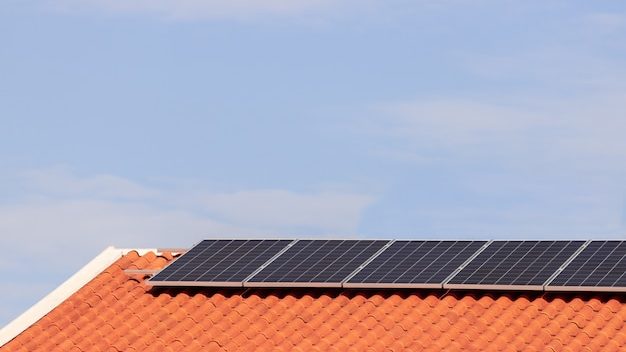
A roof rarely fails on the day of a storm. It fails quietly, over months, in places nobody looks at: a lifted shingle, a tired seal around a vent, a gutter that has been holding water against the fascia since the last heavy rain. The good news is that roof care is mostly attention, not expense.
Start With The Attic, Not The Roof
Before anyone climbs a ladder, walk the attic with a torch. Daylight between roof boards, dark water staining on rafters, damp insulation or a smell of trapped moisture tell you more about a roof’s health than a distant glance from the driveway. Bring a camera and note every mark — it gives us a map to work from.
Also check the ceilings inside the house. A faint ring on paintwork is often the first sign of a slow leak that has been travelling sideways for weeks before it appeared.
Look For The Quiet Warning Signs
- Granules in the gutter. A little is normal. A steady accumulation means shingles are aging faster than they should.
- Curling or lifting edges. Heat and wind work loose the seals along shingle edges, especially on south and west facing slopes.
- Rust streaks or pitted vent covers. Corrosion under a vent usually means the seal beneath it has failed too.
- Flashing that has pulled away. Chimneys, valleys and side walls are where most leaks begin.
- Sagging rooflines. A change in the skyline of your own roof is worth a professional inspection straight away.
Drainage Is Half The Job
A roof is designed to shed water, not to store it. Blocked gutters push rainwater back under the bottom course of shingles, where it soaks into the deck and the wall cavity. Check that gutters flow freely, downspouts discharge well away from the foundation, and the ground beneath them slopes gently outward rather than holding puddles.
Trim back overhanging branches as well. They scratch shingle surfaces in wind, drop debris that blocks drainage, and give squirrels a comfortable route onto your roof.
When Repair Beats Replacement
Localised damage — a handful of shingles, one failed flashing detail, storm-bruised areas on a single slope — is generally a repair. Replacement becomes the better conversation when damage is spread across the whole roof, when the surface has become brittle, or when the underlayment beneath it has reached the end of its working life.
Age alone does not decide it. Ventilation, previous repairs, material quality and how the roof has been maintained all matter more than a date on paper. That is why our inspections walk the roof, the attic and the drainage together before recommending anything.
Choosing Materials For Gulf Coast Weather
Heat, humidity, salt air and driving rain are the tests that matter here. Architectural shingles with strong wind ratings are the workhorse choice for most homes. Metal roofing performs well where heat reflection and longevity matter. In every case, the details do the heavy lifting: underlayment, edge metal, ridge ventilation and flashing installed properly decide whether a roof survives the season it was built for.
The homeowner’s roof checklist
- Look up from the kerb after every major storm — but never climb up yourself.
- Keep gutters and downspouts clear, particularly before and after storm season.
- Photograph any change you notice, so you can describe it accurately.
- Book an inspection before you need one; repairs are cheaper than emergencies.
- Keep the paperwork for every repair, material and warranty in one folder.
Set A Seasonal Rhythm
Roof care works best as a habit rather than a rescue. A short inspection before storm season, another after it passes, and a quick look at drainage whenever you are already in the garden will keep small issues small.
If you would rather hand that rhythm to someone else, our Roofing Upgrade service covers inspection, repair, replacement, ventilation and gutter work — and if solar is on your list too, plan the roof first so the panels go onto a sound surface. You can read about that sequence in Solar Upgrade: First Steps to a Sun-Powered Home. Ready to talk it through? Book a free walkthrough and we will put everything in writing.