Solar panels are the visible part of a much longer decision. The households that get the most from solar are not the ones with the biggest array — they are the ones who planned the roof, the timing and their own routines before a single panel went up.
Begin With Your Energy Habits
Spend a fortnight noticing when your home uses power. Morning showers, the middle of a hot afternoon and the evening kitchen rush all draw differently. Panels produce most of their energy in the bright middle of the day, so appliances you can shift into daylight hours — laundry, dishwashing, pool pumps, EV charging — dramatically change how much of your own generation you actually use.
This is also the moment to reduce waste. Insulation, draught sealing and efficient cooling mean a smaller system does the same work, which is kinder to your roof and your wallet.
Is Your Roof Ready For Panels?
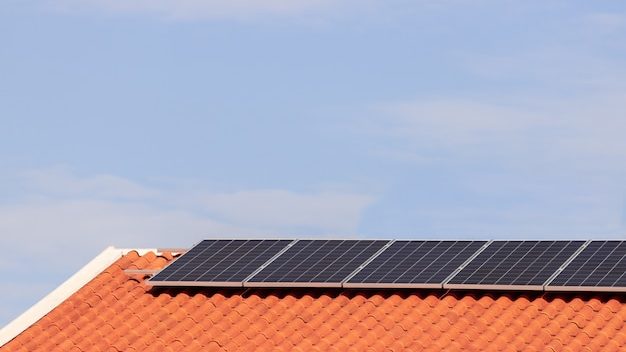
Panels last a long time, and removing them to replace a roof underneath is expensive and irritating. If your roofing is coming up for renewal, do that work first. We check the age and condition of your covering, the structure beneath, the direction and pitch of each slope, and whether any shading from trees or neighbouring buildings can be designed around.
Panels, Inverters And Batteries Explained Simply
- Panels convert sunlight into direct current electricity. Their efficiency and tolerance to heat matter more in a Gulf Coast summer than headline wattage.
- Inverters turn that current into household electricity. They do the everyday work, so their quality and warranty deserve as much attention as the panels.
- Batteries store daytime generation for evenings and outages. They are ideal if you want resilience during storm-season power cuts.
- Monitoring shows what you generate and what you use, so you can keep improving the way your household runs.
The Installation Week, Step By Step
- Survey and design. We measure the roof, confirm structure and shading, and model a system around your usage.
- Approvals and paperwork. We help assemble documentation and coordinate with your utility and local requirements.
- Roof preparation. Mounting points and waterproofing details go in before any panel does.
- Installation. Panels, inverter, isolators and battery are fitted, with your roof and garden protected throughout.
- Commissioning and handover. We test the system, set up monitoring on your phone and walk you through what everything means.
Living With Solar After The Install
Once the system is running, small habits pay off: run heavy appliances in daylight, watch the monitoring app for a week or two to learn your patterns, and keep the panels clean of leaves and debris. An annual check of mounts, isolators and connections keeps performance steady and catches anything loose before it becomes a problem.
Questions worth asking any installer
- How was this system size chosen for our household?
- What happens if a panel or the inverter needs attention?
- Who handles warranty claims, and how do we reach them?
- How will the roof be waterproofed at every mounting point?
- Can the system be expanded later if our needs change?
Our Solar Upgrade service covers assessment, design, installation and seasonal checks — and if your roof is due for attention first, our Roofing Upgrade service works alongside it. For the bigger picture, read Roofing Upgrade: Getting Your Roof Ready Before Storm Season. Then book a free walkthrough and we will design a system around your actual home.